In This Article
What This Means
- Cisco’s Quantum Resilience Framework: A Roadmap to Quantum-Safe Communications
- The Enterprise Challenge: Inventory, Agility, and Standards Alignment
- How QuantumGenie Supports Enterprise PQC Roadmaps
Cisco’s Quantum Resilience Framework: A Roadmap to Quantum-Safe Communications
Cisco’s public commitment to embed post-quantum cryptography (PQC) into key network protocols and platform trust foundations by the end of 2026 represents a pivotal enterprise adoption signal. This roadmap addresses urgent concerns about quantum adversaries that threaten data-in-transit protection via IPsec, TLS, MACsec, and SSH, while also fortifying the trust anchors for identity and device integrity through PQC-secured key management and secure boot processes.
For CISOs and enterprise architects, this initiative underscores the necessity to plan early for integrating quantum-resistant algorithms not only within communications layers but also across hardware and software where cryptographic keys and signatures govern trust. Cisco’s comprehensive scope stresses that PQC migration is an architecture-wide effort demanding meticulous inventory and governance to avoid security gaps.
The Enterprise Challenge: Inventory, Agility, and Standards Alignment
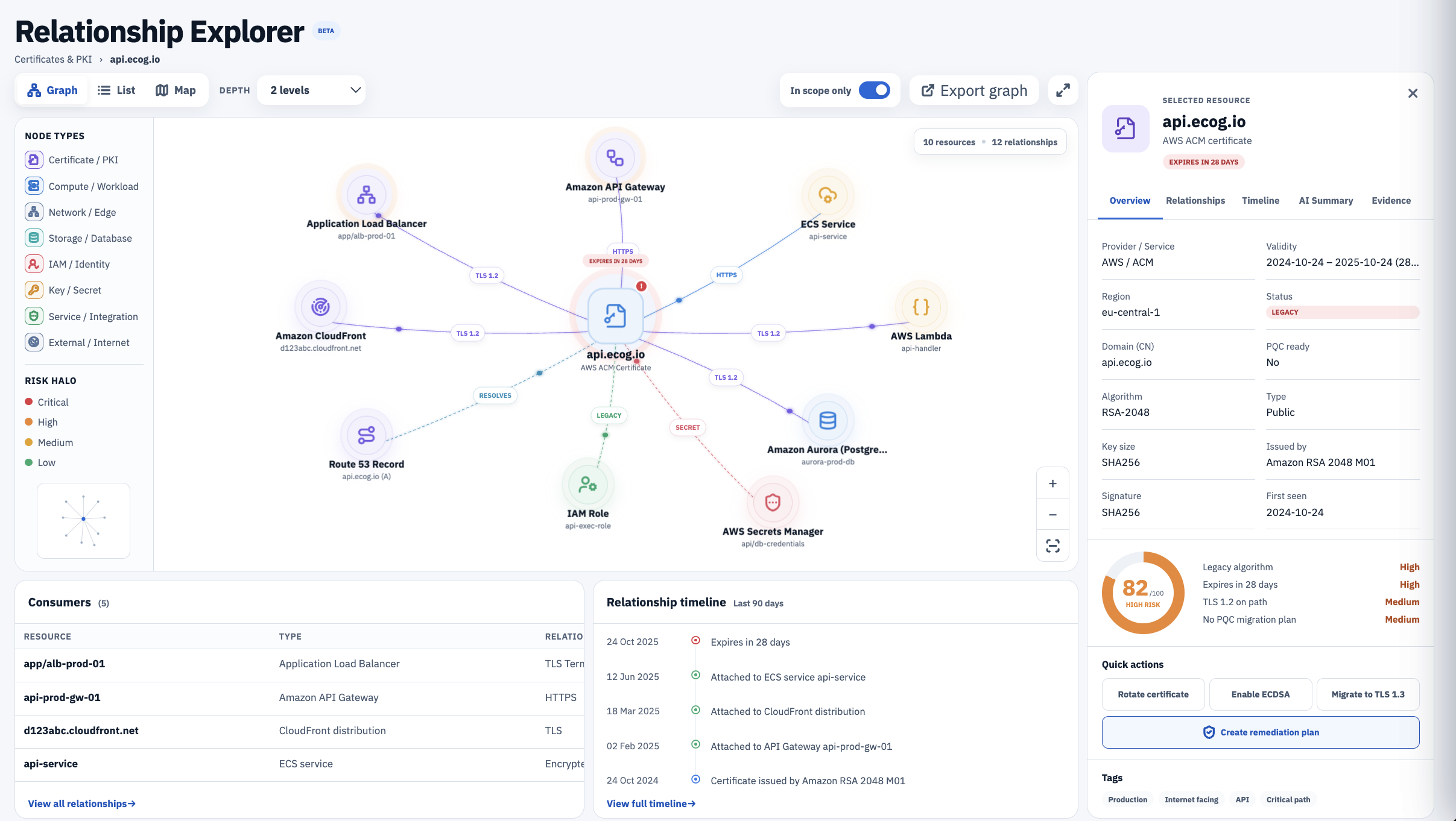
Implementing a quantum readiness roadmap of this scale involves more than deploying new algorithms. Enterprises must first gain full visibility into their existing cryptographic landscape, including protocols, certificates, infrastructure components, and embedded systems. Without this baseline, timed and compliant migration aligned with standards risks unintended exposure or operational disruption.
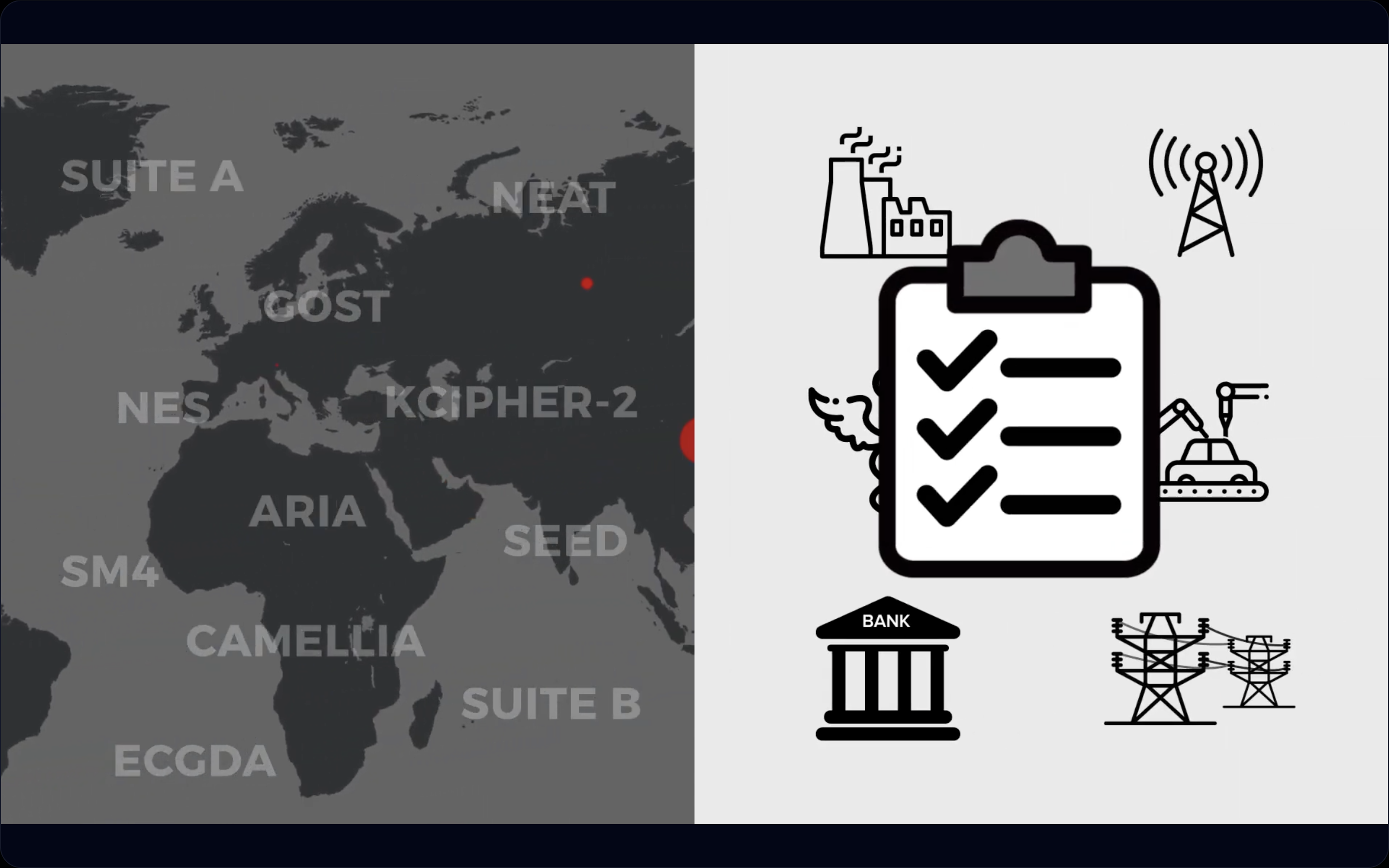
Furthermore, Cisco’s focus on integrating PQC into standard protocols reflects the broader trend highlighted in recent cryptographic surveys emphasizing performance, communication overhead, and interoperability challenges. This requires enterprises to adopt cryptographic agility principles—enabling easy algorithm swaps and updates—supported by software-defined cryptography concepts for centralized policy enforcement and automated migration workflows.
Key Components of an Enterprise PQC Migration Roadmap
| Component | Description | Enterprise Considerations |
|---|---|---|
| Comprehensive Cryptographic Inventory | Discovery of all cryptographic use and assets across the enterprise. | Requires automated, continuous tools to avoid blind spots. |
| Quantum-Safe Integration | Replacement or augmentation of algorithms in protocols and platforms. | Must balance security, performance, and interoperability. |
| Trust Foundation Hardening | Embedding PQC in identity, key management, secure boot, and signing. | Ensures system integrity against quantum threats. |
| Cryptographic Agility | Capability to update or swap cryptographic algorithms rapidly. | Supports evolving standards and threat landscapes. |
How QuantumGenie Supports Enterprise PQC Roadmaps
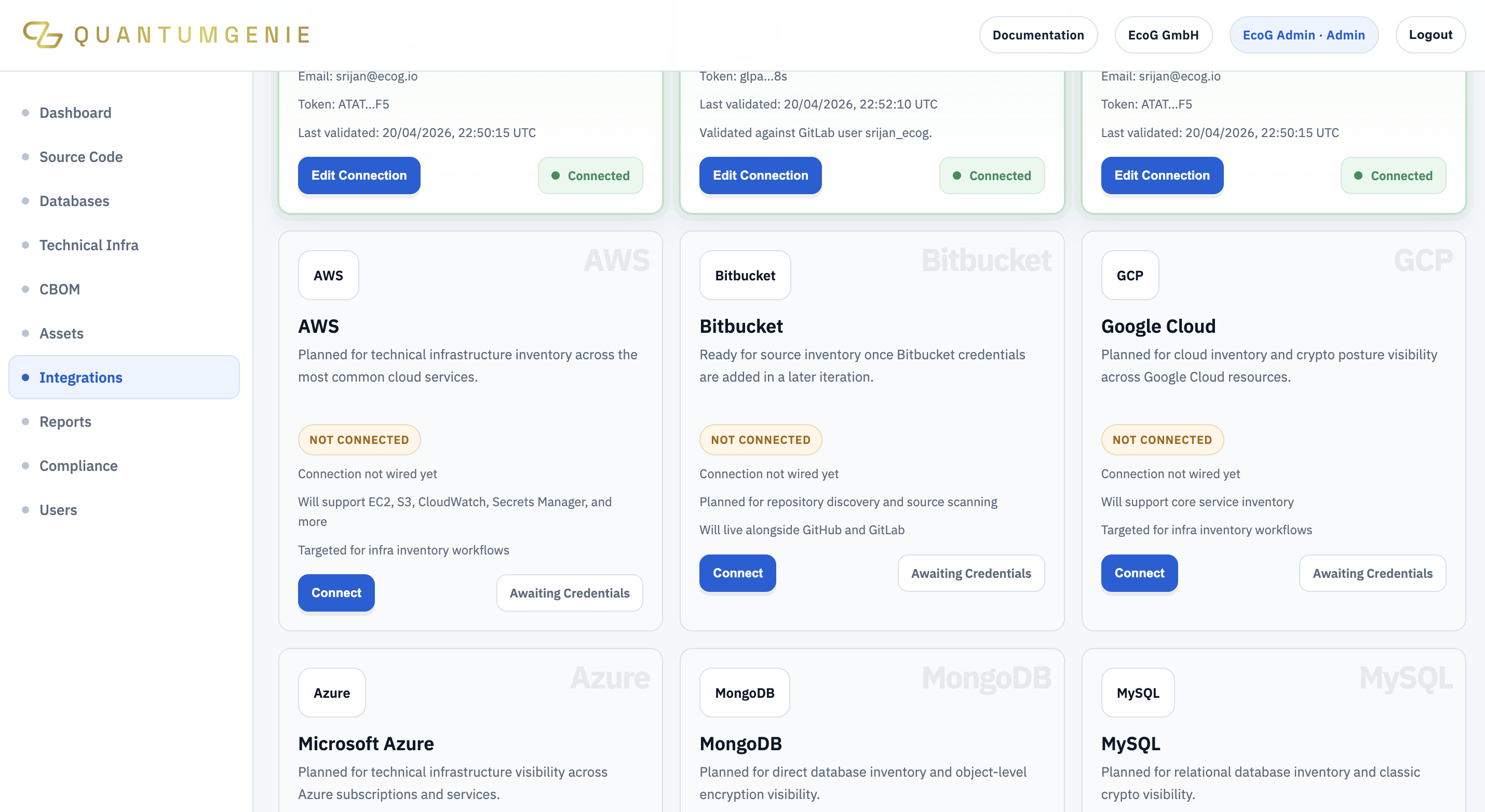
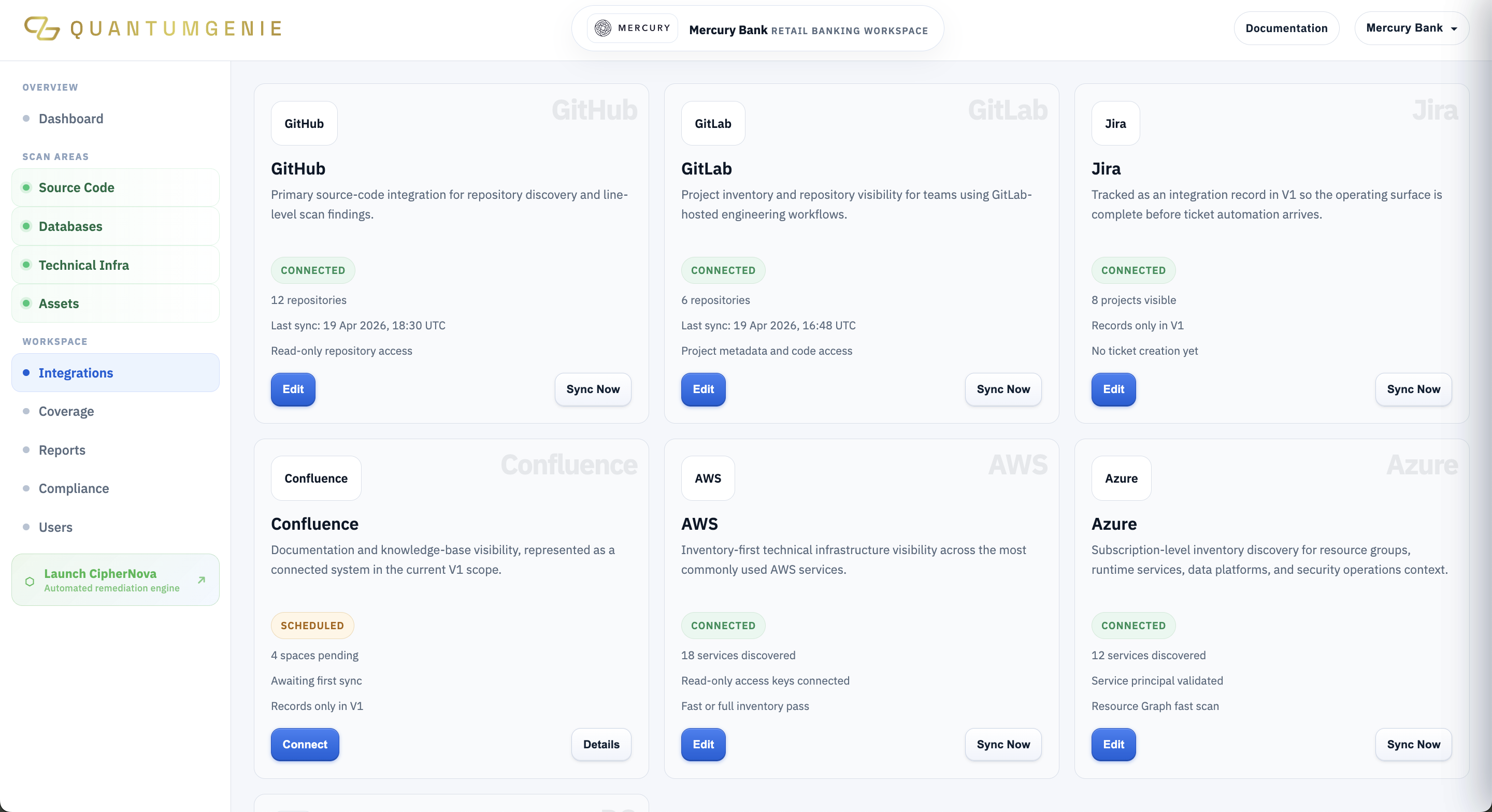
QuantumGenie is positioned to be a strategic enabler for enterprises following roadmaps like Cisco’s. Its CipherScan product automates the discovery and inventory of cryptographic assets across a complex IT environment, providing the crucial baseline data that migration plans depend on. Coupled with CipherNova’s remediation workflow engine, QuantumGenie facilitates prioritized, policy-driven PQC migrations, ensuring that critical protocols and systems transition securely and in compliance with evolving standards.
By bridging discovery with operational remediation, QuantumGenie supports cryptographic agility and governance mandates, helping organizations meet deadlines analogous to Cisco’s 2026 target. Its continuous visibility and workflow management capabilities provide confidence to CISOs and architects that migrations are executed efficiently, safely, and auditable—reducing the risks of overlooking legacy cryptography or introducing vulnerabilities during transitions.
Frequently Asked Questions
Why is a cryptographic inventory essential before PQC migration?
A detailed cryptographic inventory identifies all areas where cryptography is in use, enabling accurate risk assessment, prioritization, and planning for migration to post-quantum algorithms, thus preventing security gaps or disruptions.
How does cryptographic agility differ from simple algorithm replacement?
Cryptographic agility provides an architectural capability to switch cryptographic algorithms seamlessly and rapidly in response to evolving standards or threats, whereas simple replacement is a one-time migration. Agility is vital for maintaining long-term security posture.
Watch The Quantum Threat
Sources And Further Reading
- Cisco's Quantum Resilience Framework and Roadmap Cisco · Jul 10, 2026
- Post-Quantum Cryptography and Quantum-Safe Security: A Comprehensive Survey arXiv · Oct 12, 2025
- Software-Defined Cryptography: A Design Feature of Cryptographic Agility arXiv · Apr 2, 2024