In This Article
What This Means
- The Cryptographic Library Readiness Gap for PQC
- Enterprise Implications: Why Visibility and Agility Matter Now
- How QuantumGenie Connects: From Discovery to Actionable PQC Readiness
The Cryptographic Library Readiness Gap for PQC
As quantum computing edges closer to practical viability, enterprises must urgently assess how well their cryptographic foundations support post-quantum algorithms. A comprehensive survey from arXiv ("A Survey of Post-Quantum Cryptography Support in Cryptographic Libraries", 2025) examined nine prominent open-source cryptographic libraries against NIST’s selected PQC finalists. The results exposed a fragmented readiness landscape—only some libraries have begun incorporating PQC support, often incomplete or immature.
For enterprises relying on these libraries for critical encryption tasks—from TLS to code signing—such uneven support creates tangible security risks. Legacy systems and outdated components can expose encrypted data to future quantum attacks. Without clear visibility into the cryptographic libraries in use, organizations risk blind spots that sabotage any broader PQC migration efforts.
Enterprise Implications: Why Visibility and Agility Matter Now
This survey aligns with earlier research highlighting the challenges around cryptographic agility and the need for seamless PQC migration strategies. Enterprises must not only upgrade libraries but do so in a coordinated way that avoids disruption and maintains compliance. A patchwork approach leaves organizations vulnerable during transition periods.
Effective risk management requires a deep cryptographic inventory down to the library and algorithm level across all assets—servers, applications, certificates, and integrations. It also demands prioritization, identifying which instances represent the highest risk exposure and remediation complexity. Without this granular perspective, enterprises cannot make informed decisions or demonstrate regulatory readiness as quantum-safe standards evolve.
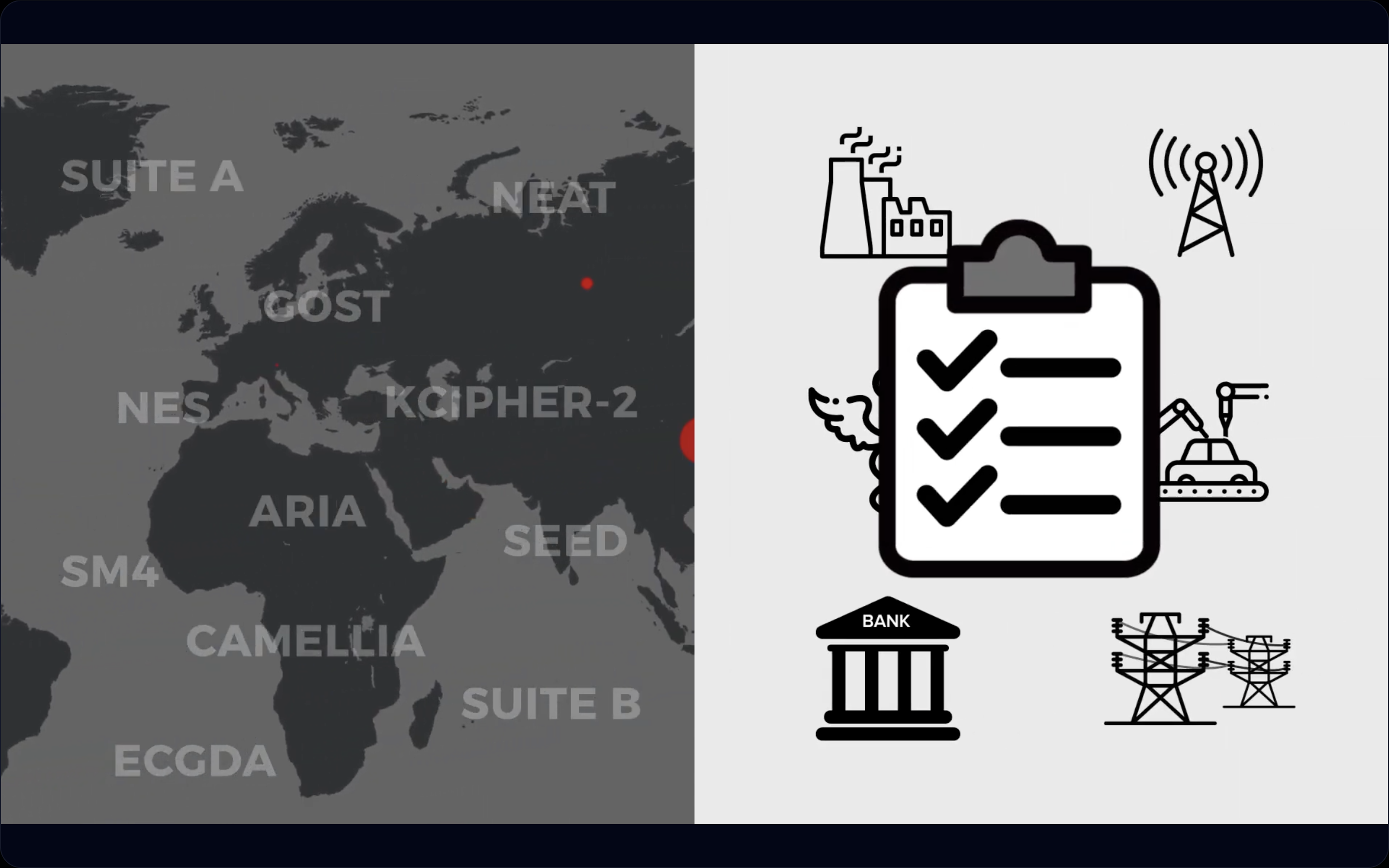
Summary of PQC Support in Popular Cryptographic Libraries (Survey Highlights)
| Library Name | NIST PQC Finalists Supported | Implementation Maturity |
|---|---|---|
| Library A | Yes (Some Algorithms) | Experimental |
| Library B | Partial (Limited Algorithms) | Beta |
| Library C | No | N/A |
| Library D | Yes (Most Algorithms) | Stable |
How QuantumGenie Connects: From Discovery to Actionable PQC Readiness
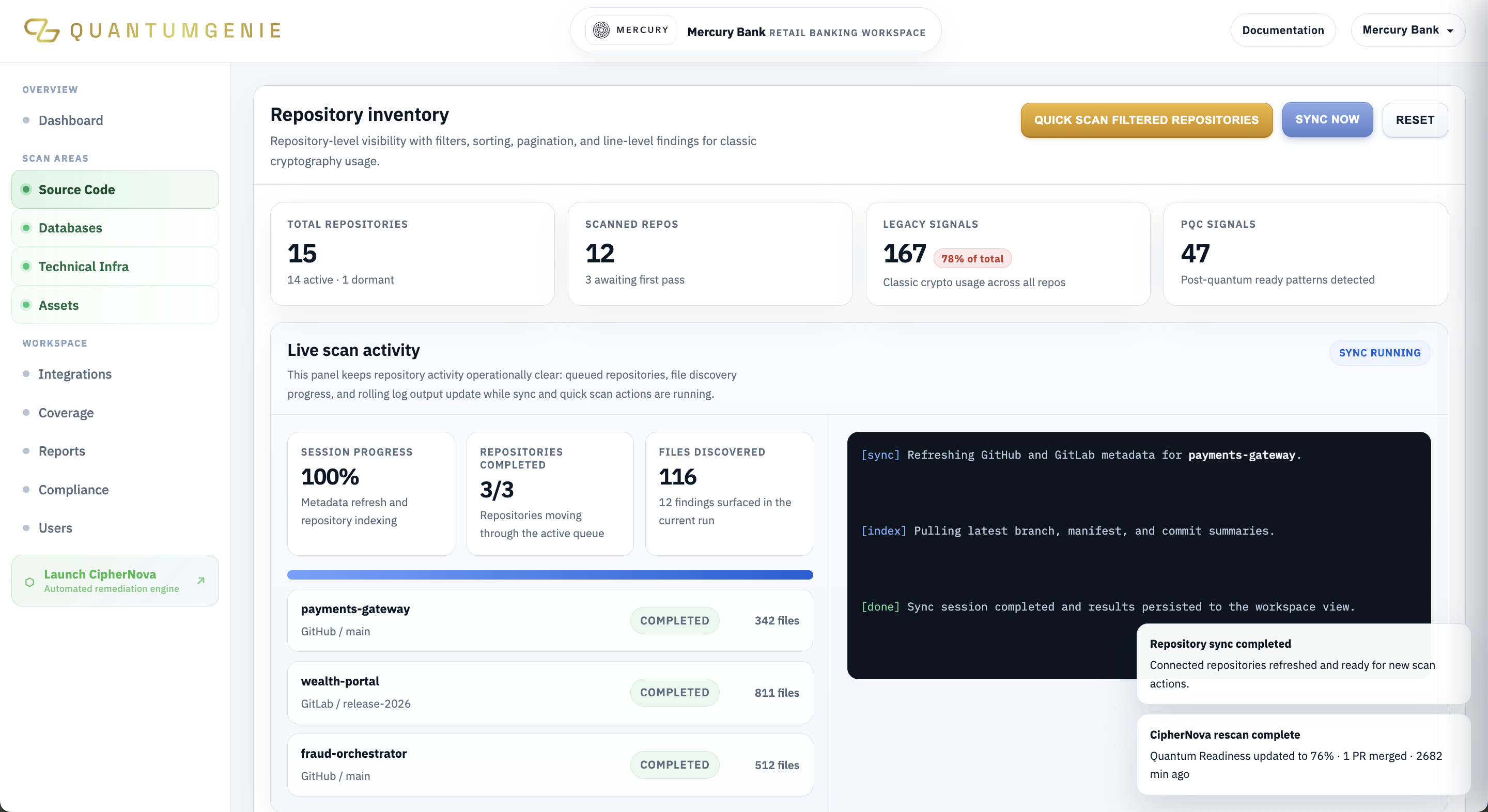
QuantumGenie’s CipherScan layer addresses the exact challenge exposed by this study: discovering and cataloging cryptographic use across the entire enterprise ecosystem, including which libraries and algorithms are in place. This enables a complete cryptographic bill of materials (CBOM), illuminating gaps where PQC support is absent or insufficient.
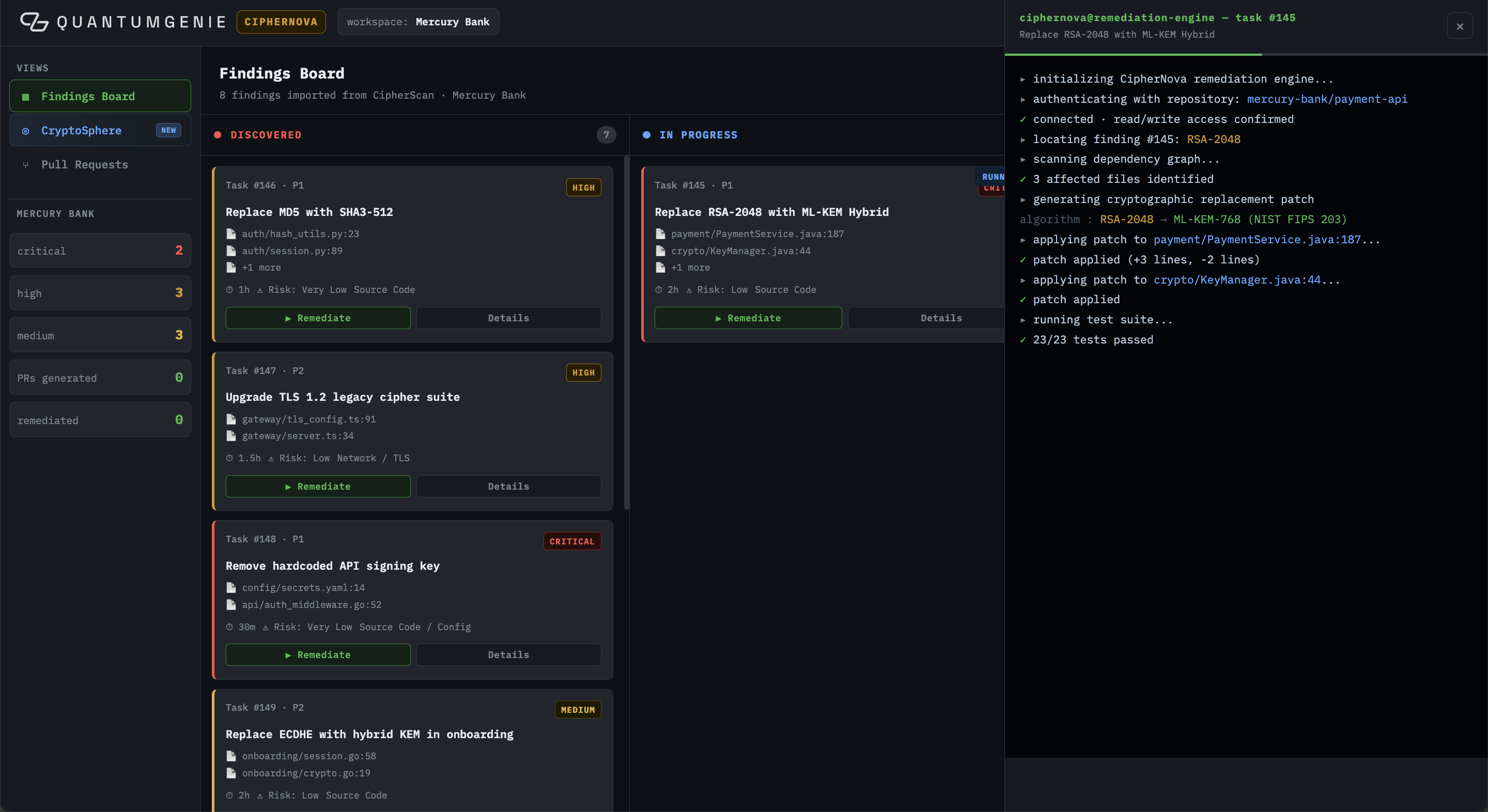
From that foundation, QuantumGenie supports prioritization and remediation orchestration that enterprises need to transition securely and efficiently. The platform’s workflow, verification, and compliance evidence capabilities ensure migration efforts are documented and auditable, minimizing operational risk and maximizing strategic control over the quantum-safe journey.
Frequently Asked Questions
Why is cryptographic library support critical for post-quantum readiness?
Cryptographic libraries form the backbone of encryption in software and systems. If these libraries do not support post-quantum algorithms, encrypted data remains vulnerable to quantum attacks, creating security gaps that can be exploited once quantum computers are capable.
How can enterprises address gaps in PQC support across cryptographic libraries?
Enterprises should first perform comprehensive cryptographic discovery to identify all library usages, then prioritize remediation based on risk and criticality. Implementing cryptographic agility practices and leveraging platforms like QuantumGenie can streamline and secure the migration process.
Watch The Quantum Threat
Sources And Further Reading
- A Survey of Post-Quantum Cryptography Support in Cryptographic Libraries arXiv · Aug 22, 2025
- Identifying Research Challenges in Post Quantum Cryptography Migration and Cryptographic Agility arXiv · Sep 16, 2019