In This Article
What This Means
- The Reality Check Behind Post-Quantum Migration Plans
- Bringing Software-Defined Cryptography Into The Enterprise
- How QuantumGenie Addresses Cryptographic Library Readiness Challenges
The Reality Check Behind Post-Quantum Migration Plans
Enterprises rushing toward post-quantum cryptography (PQC) migration often focus on policy, compliance, and high-level cryptographic algorithm selections without delving into the cryptographic libraries underpinning their environments. The recent arXiv survey assessing nine popular cryptographic libraries exposes stark disparities in PQC support — from fully integrated implementations of some NIST PQC finalists to minimal or partial adoption in others. This exposes a critical risk: library ecosystem readiness can delay or complicate migration despite organizational intent and strategic plans.
Understanding the capabilities and current deficiencies in these libraries is vital because they serve as the cryptographic engines embedded in everything from enterprise applications to infrastructure services. Without verified, consistent PQC support at this fundamental level, any migration effort is vulnerable to implementation gaps, increased technical debt, and extended timelines.
Bringing Software-Defined Cryptography Into The Enterprise
Complementing the survey findings, the concept of software-defined cryptography (SDC) is emerging as a powerful mechanism to ease this complex transition. SDC provides centralized governance and automated enforcement of cryptographic policies, allowing enterprises to adapt cryptographic behaviors dynamically, mitigating challenges from inconsistent library support or fragmented PQC rollouts.
By abstracting cryptographic operations programmatically, SDC frameworks help enterprises maintain crypto agility and accelerate policy-driven migration to PQC. However, deploying such frameworks without an accurate and actionable inventory of cryptographic assets and their underlying library dependencies is impractical, highlighting the need for integrated discovery and management platforms.
Summary of Key Insights on Cryptographic Libraries' PQC Support
| Cryptographic Library | Level of PQC Support | Implementation Challenges |
|---|---|---|
| Library A | Comprehensive NIST PQC finalists integration | High complexity, documentation gaps |
| Library B | Partial PQC algorithm implementations | Inconsistent API usage, immature features |
| Library C | Minimal or no PQC support | Legacy compatibility issues |
| Library D | Experimental PQC modules under development | Unstable releases |
How QuantumGenie Addresses Cryptographic Library Readiness Challenges
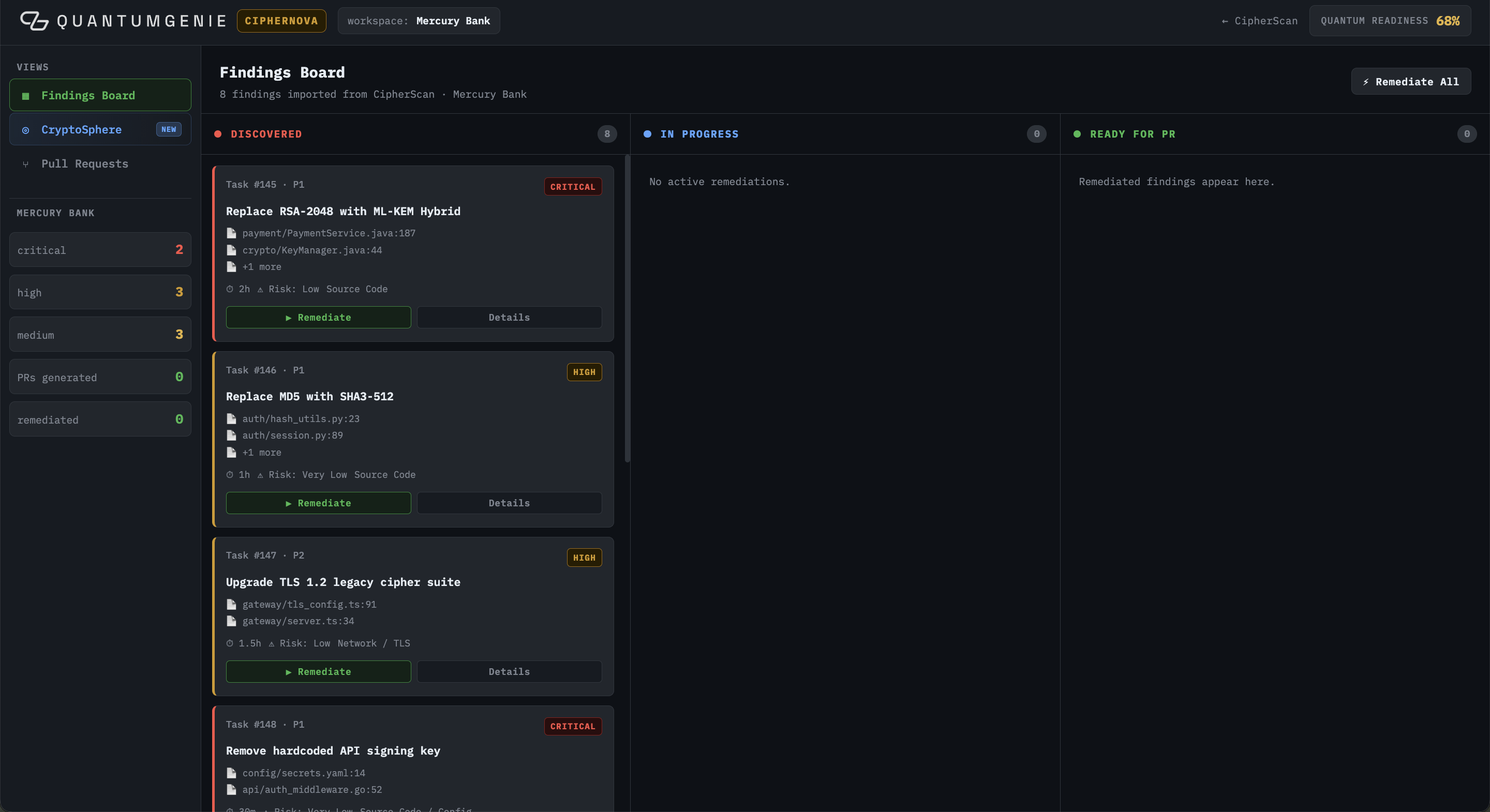
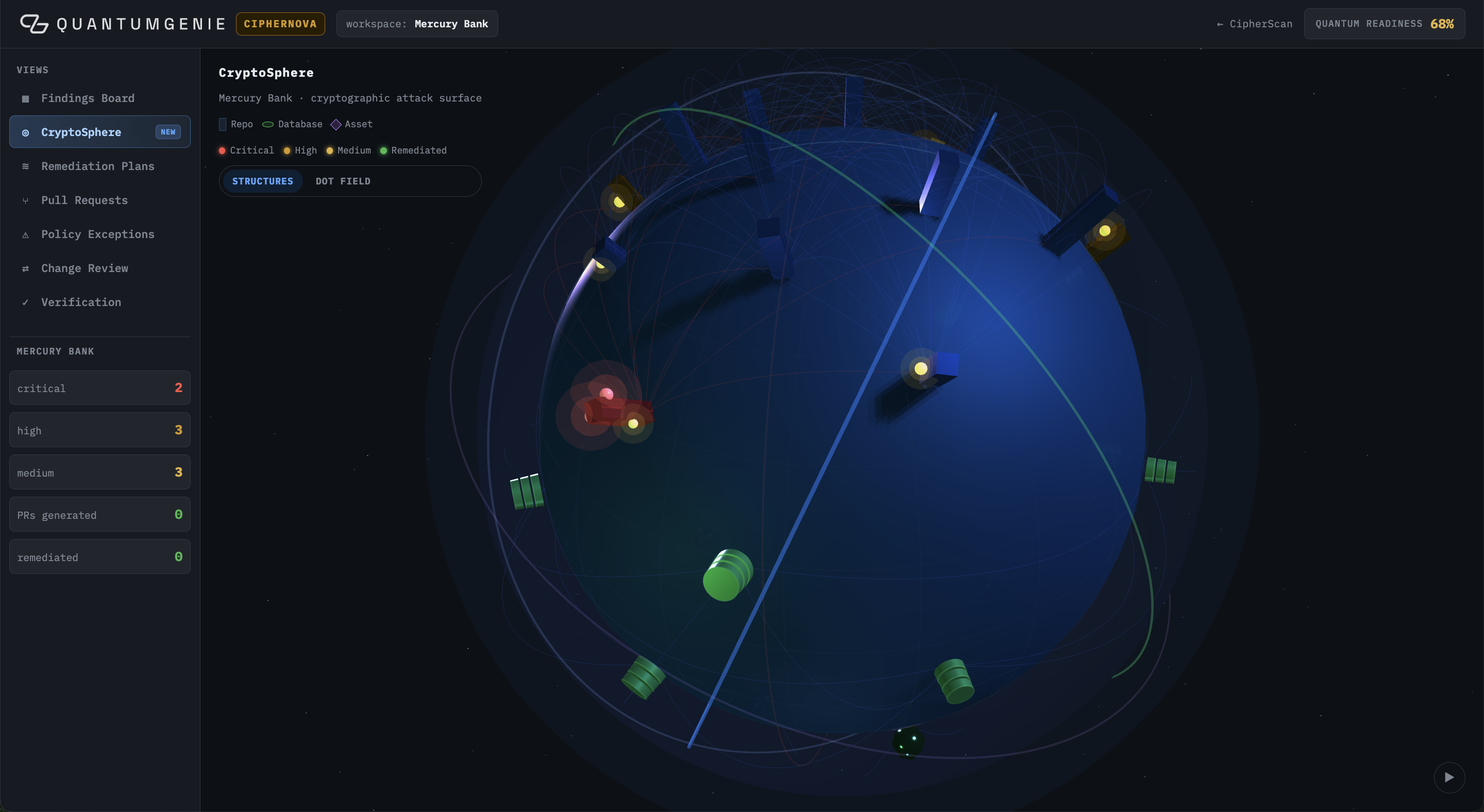
QuantumGenie’s CipherScan product directly tackles the cryptographic visibility blind spot crucial to tackling PQC migration complexity. By systematically discovering and inventorying cryptographic exposures — including which libraries and algorithms are in use across software, certificates, and infrastructure — QuantumGenie arms security teams with a clear picture of their cryptographic stack.
This empowers enterprises to prioritize migration based on actual risk and readiness, aligning resources to address gaps exposed by surveys like the cryptographic library study. CipherScan’s detailed cryptographic asset profiling combined with QuantumGenie’s migration orchestration tools enable continuous governance over library updates, compliance preparations, and gradual PQC adoption — transforming theoretical migration strategies into executable and measurable programs.
Frequently Asked Questions
Why is cryptographic library readiness crucial for PQC migration?
Cryptographic libraries are the foundational components that implement cryptographic algorithms. Their readiness determines whether PQC algorithms can be reliably deployed in enterprise environments without extensive custom development, which impacts migration timelines and security.
How can enterprises manage the risk of uneven PQC support across libraries?
Enterprises should perform thorough cryptographic discovery and inventory to understand their current library usage and PQC readiness, then prioritize remediation or migration efforts accordingly, ideally leveraging tools that support policy enforcement and continuous monitoring.
Watch The Quantum Threat
Sources And Further Reading
- A Survey of Post-Quantum Cryptography Support in Cryptographic Libraries arXiv · Aug 22, 2025
- Software-Defined Cryptography: A Design Feature of Cryptographic Agility arXiv · Apr 2, 2024