In This Article
What This Means
- Uneven Post-Quantum Support in Cryptographic Libraries Poses Real Enterprise Risks
- Strategic Implications for Enterprise PQC Migration Planning
- How QuantumGenie Supports Enterprise Cryptographic Library Readiness and Migration
Uneven Post-Quantum Support in Cryptographic Libraries Poses Real Enterprise Risks
A recent comprehensive survey from arXiv reveals that major open-source cryptographic libraries vary widely in their implementation of NIST’s post-quantum cryptography (PQC) finalists. Since most enterprise applications and infrastructure depend directly or indirectly on these libraries, their inconsistent PQC readiness creates a risk vector ripe for exploitation as quantum computing advances. CISOs and enterprise architects must recognize that relying on typical cryptographic libraries without auditing their PQC support can expose enterprises to harvest-now-decrypt-later attacks. This discovery should catalyze immediate assessment programs to pinpoint where unsigned, non-post-quantum-safe cryptography is in use.
Strategic Implications for Enterprise PQC Migration Planning
This survey highlights that migration toward PQC is not merely a matter of changing algorithms at the application layer; it requires deep visibility into foundational cryptographic dependencies. Enterprises must integrate cryptographic inventory initiatives into their security roadmap, identifying which libraries and versions are in use and understanding their PQC support status. This knowledge allows targeted prioritization of migration efforts, focusing resources on the highest-risk components first. Moreover, enterprises should prepare for continuous governance because cryptographic libraries evolve frequently, making ongoing discovery and policy enforcement critical. Here, software-defined cryptography concepts highlight the value of centralized management and automated compliance checks to support this dynamic environment.
Post-Quantum Support Across Major Cryptographic Libraries (Excerpt)
| Cryptographic Library | NIST PQC Finalists Supported | Readiness Level |
|---|---|---|
| OpenSSL | Partial | Moderate |
| BoringSSL | Limited | Low |
| Libsodium | Growing | Moderate |
| Botan | Comprehensive in latest | High |
How QuantumGenie Supports Enterprise Cryptographic Library Readiness and Migration
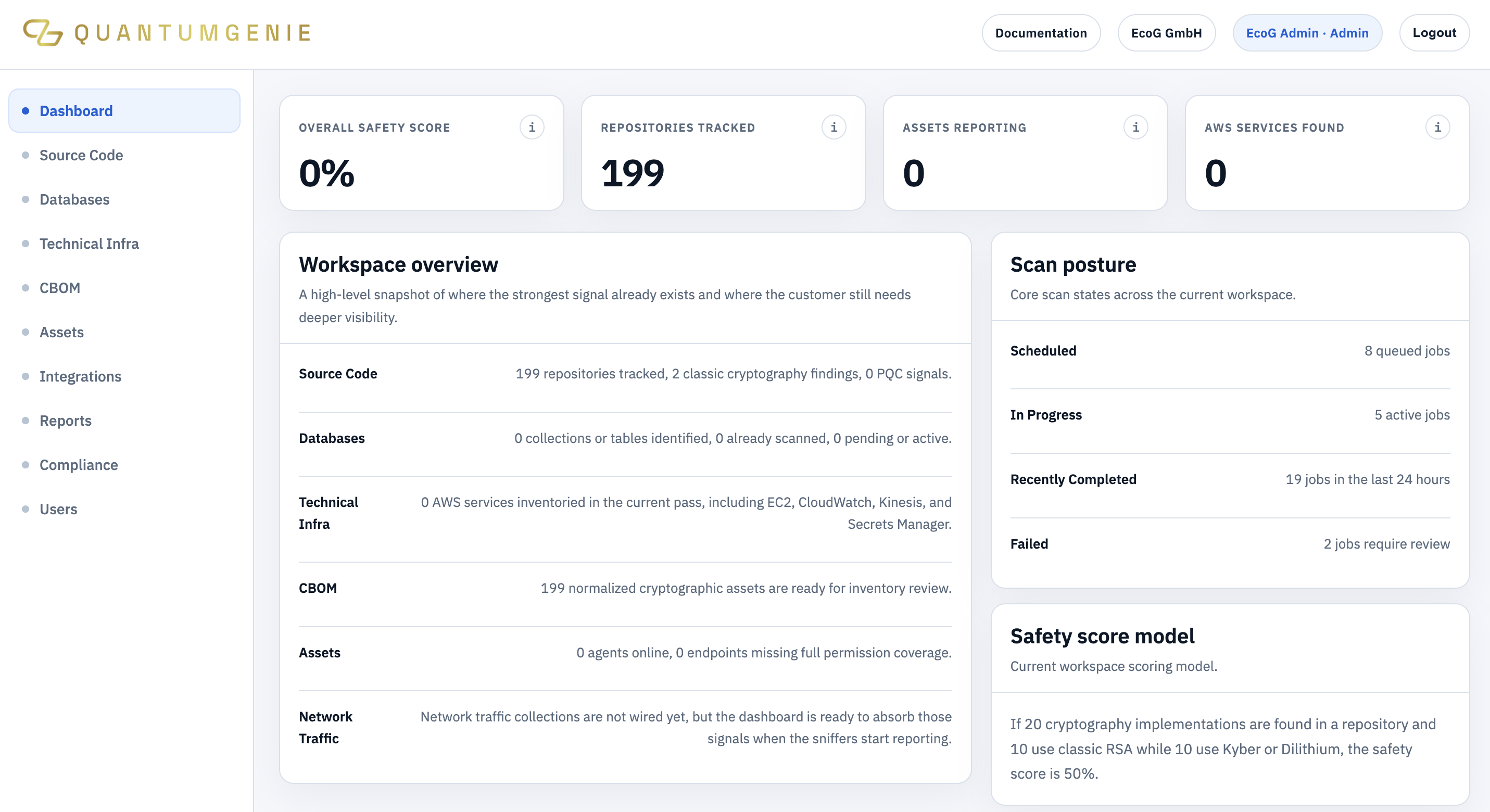
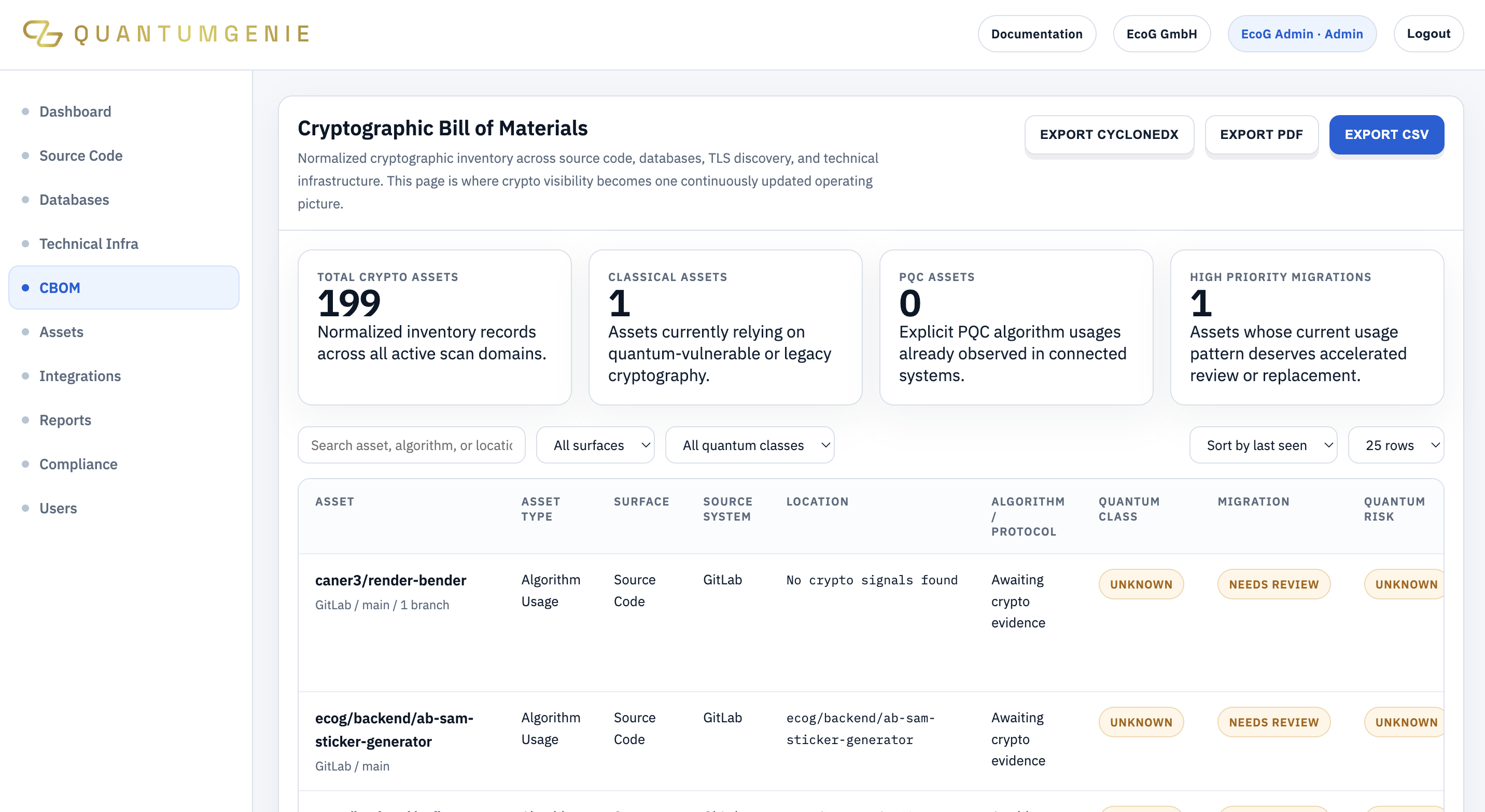
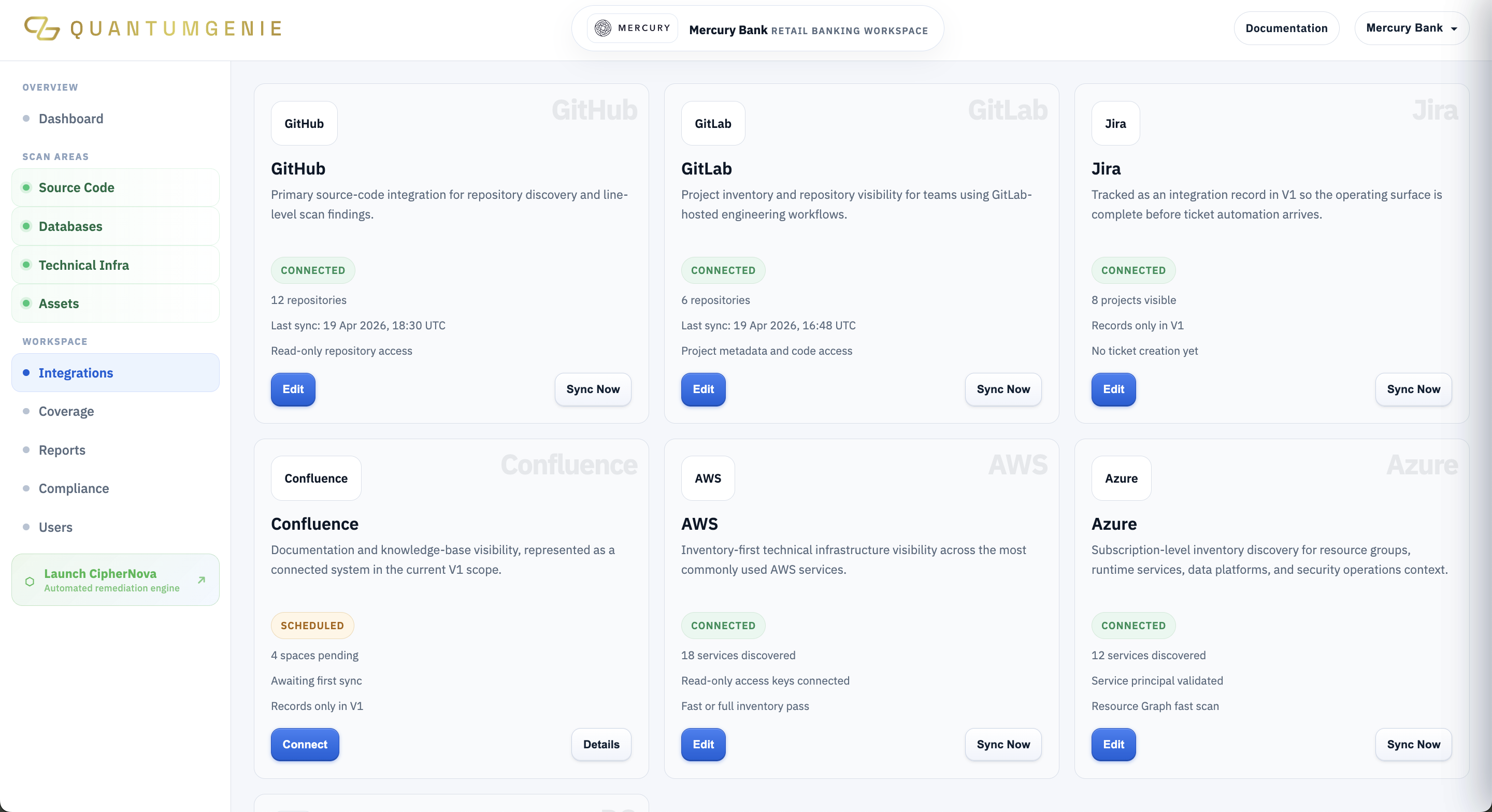
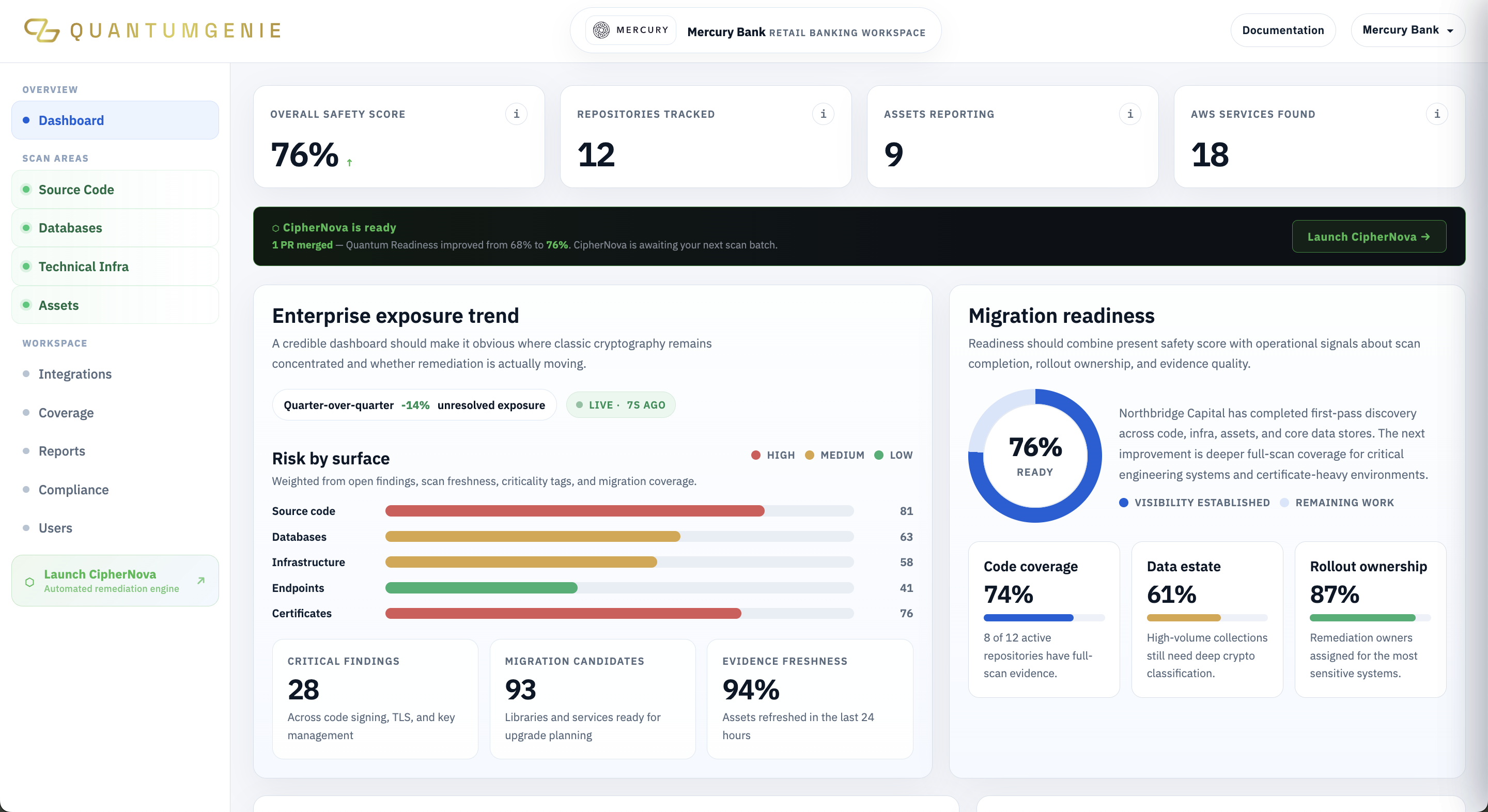
QuantumGenie’s platform addresses these challenges by delivering comprehensive cryptographic discovery and inventory capabilities across software libraries, applications, and infrastructure components. Its CipherScan layer automates the identification of cryptographic primitives and library versions, flagging those lacking PQC readiness. This granular inventory enables risk-prioritized migration planning and builds the cryptographic bill of materials (CBOM) required for compliance and audit evidence. Furthermore, QuantumGenie’s CipherNova orchestrates remediation workflows ensuring controlled transition to PQC algorithms with review checkpoints. By providing the operational visibility and orchestration necessary to manage complex cryptographic stacks, QuantumGenie reduces uncertainty and accelerates enterprise readiness for the quantum future.
Frequently Asked Questions
Why is assessing cryptographic library PQC support important for enterprises?
Because cryptographic libraries form the backbone of secure communications and data protection, lack of PQC support means potential vulnerabilities to quantum-enabled attacks, impacting confidentiality and compliance.
How can enterprises continuously manage cryptographic library readiness?
Through automated discovery and inventory tools, complemented by workflow orchestration for migration and policy enforcement, enterprises can maintain ongoing visibility and control over cryptographic assets as they evolve.
Watch The Quantum Threat
Sources And Further Reading
- A Survey of Post-Quantum Cryptography Support in Cryptographic Libraries arXiv · Aug 22, 2025
- Software-Defined Cryptography: A Design Feature of Cryptographic Agility arXiv · Apr 2, 2024