In This Article
What This Means
- The Current State of PQC Algorithm Support in Cryptographic Libraries
- Implications for Enterprise Migration and Cryptographic Agility
- How QuantumGenie Fits in the PQC Migration Landscape
The Current State of PQC Algorithm Support in Cryptographic Libraries
As enterprises race to prepare for the quantum computing era, the foundational roles played by cryptographic libraries cannot be overstated. A recent detailed study published on arXiv evaluates how nine major open-source cryptographic libraries currently support post-quantum cryptographic algorithms. The findings expose uneven coverage, with many PQC algorithms either partially implemented or absent. Such gaps pose practical roadblocks for organizations aiming to implement PQC quickly and securely across their IT landscape.
Cryptographic libraries underpin countless enterprise applications, identity and access frameworks, certificates, and TLS stacks. A lack of stable, vetted PQC support here means enterprise migration programs face increased complexity, delayed timelines, and possible security risks if migration is rushed or incomplete. The study underscores a critical discrepancy between PQC standardization progress and real-world tooling readiness.
Implications for Enterprise Migration and Cryptographic Agility
For CISOs and architects steering PQC transition efforts, these findings highlight the need for a layered approach: enterprises must not only plan algorithm transition but also invest heavily in discovery, tooling validation, and staged implementation. Cryptographic agility—the capacity to swap algorithms flexibly—is crucial under these circumstances, ensuring that as libraries mature and standards evolve, enterprises can respond swiftly without large-scale disruption.
Moreover, the uneven PQC support landscape magnifies the challenge of inventorying cryptographic usage across enterprise infrastructure. Without robust discovery, critical elements may be overlooked, exposing organizations to post-quantum threats despite partial adoption. This complexity demands rigorous migration planning rooted in empirical visibility and risk-based prioritization.
Summary of PQC Support in Cryptographic Libraries (Illustrative)
| Cryptographic Library | Level of PQC Support | Notable PQC Algorithms Supported |
|---|---|---|
| LibA | Partial | NTRUEncrypt, CRYSTALS-Kyber |
| LibB | Minimal | CRYSTALS-Dilithium |
| LibC | Comprehensive | CRYSTALS-Kyber, CRYSTALS-Dilithium, Falcon |
| LibD | Limited | NTRUEncrypt |
How QuantumGenie Fits in the PQC Migration Landscape
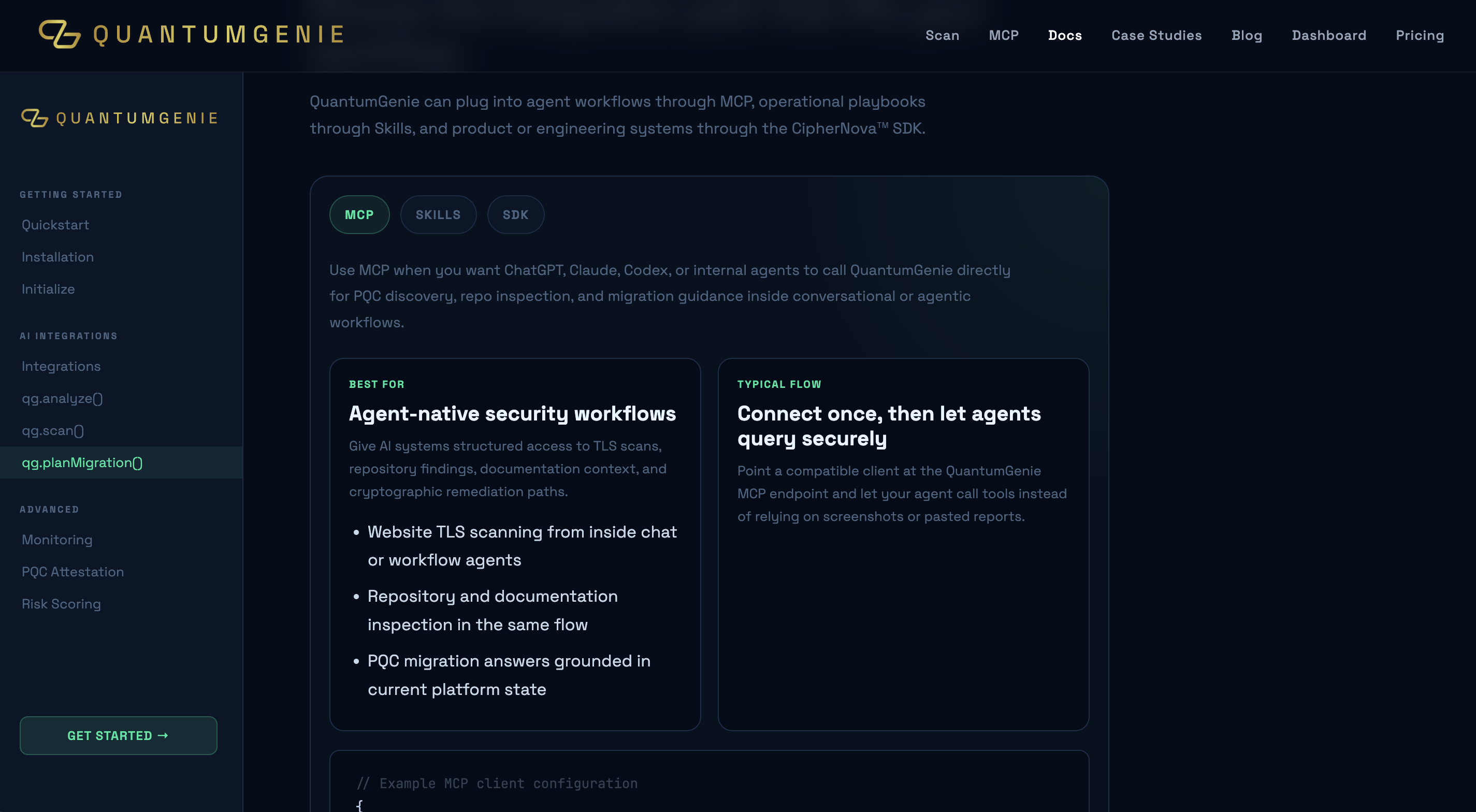
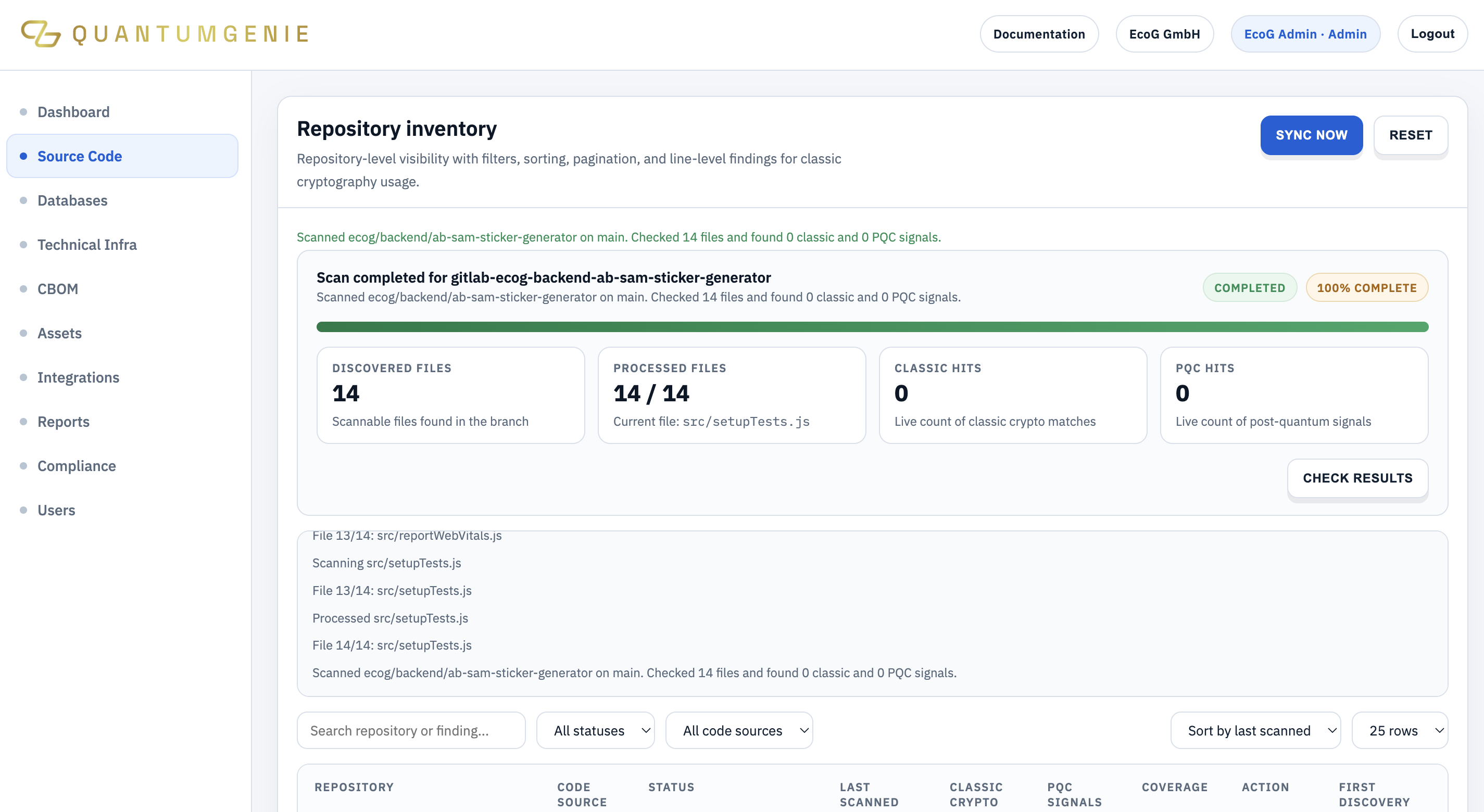
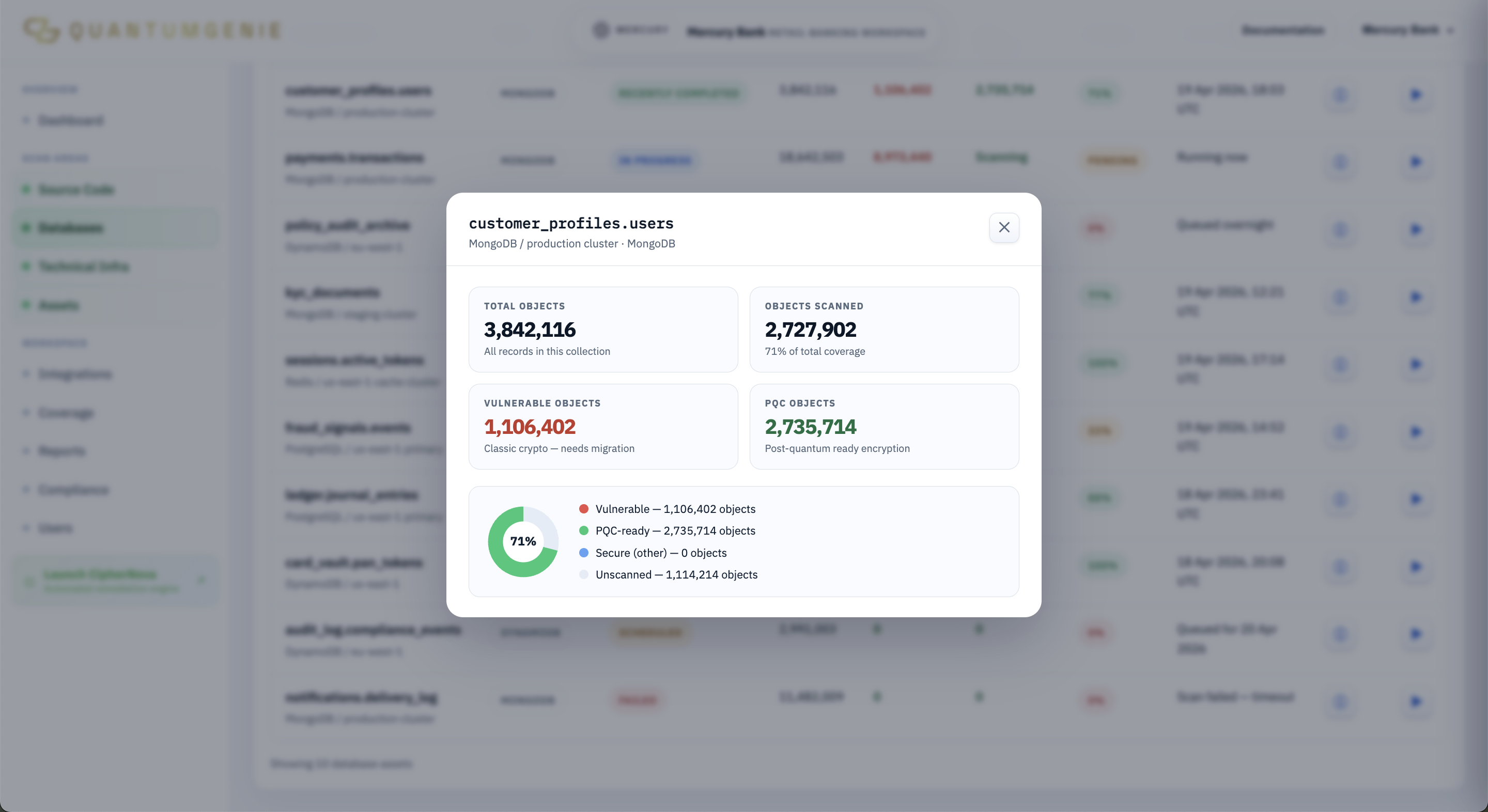
QuantumGenie addresses these enterprise challenges by delivering comprehensive cryptographic discovery and inventory solutions through its CipherScan platform. It equips security and architecture teams with visibility into all cryptographic assets — including websites, certificates, source code, and applications — forming a complete cryptographic bill of materials (CBOM). This visibility is essential given the fragmented PQC library support highlighted by the study, as enterprises need to know precisely where PQC updates are required.
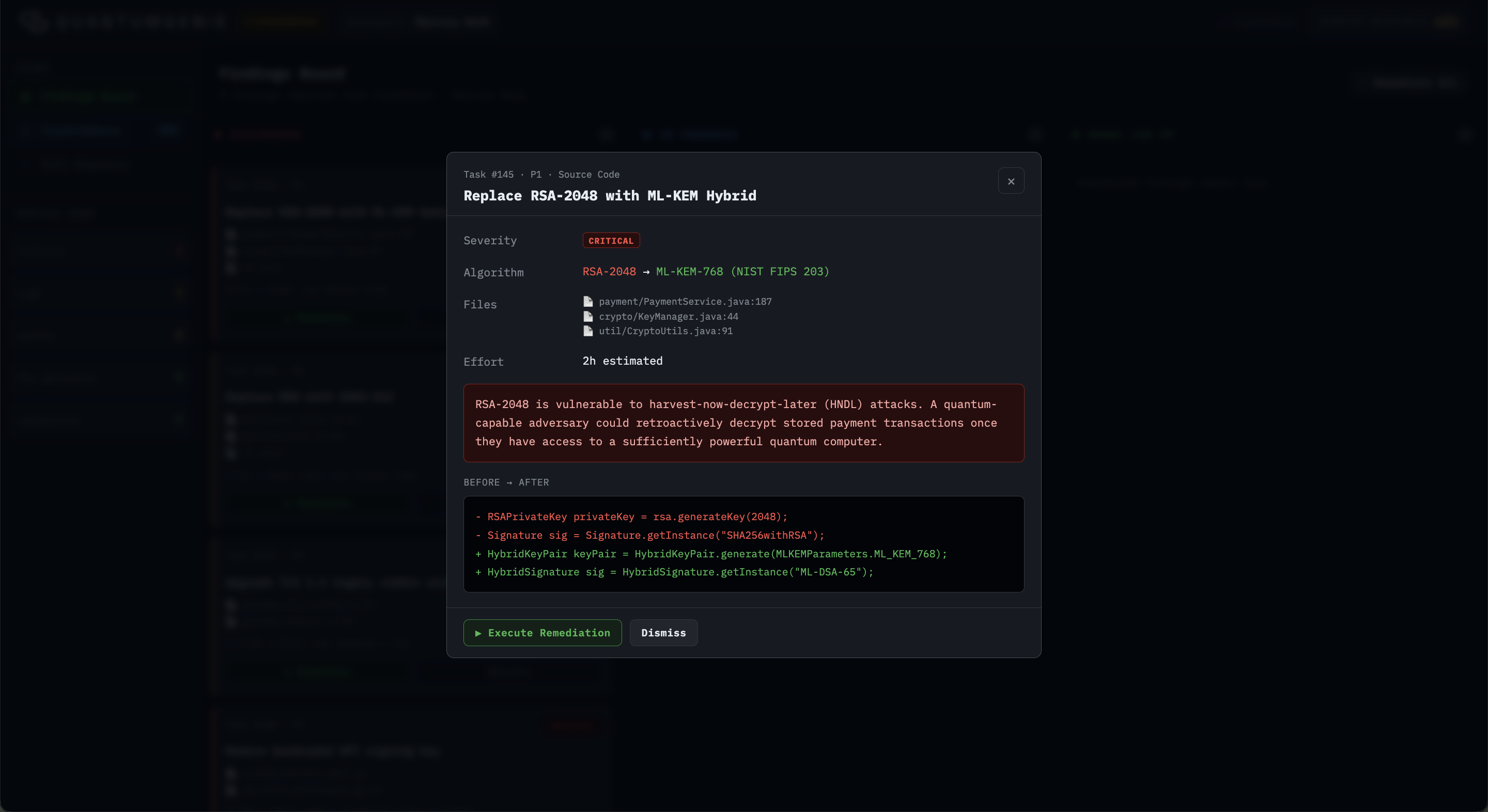
Beyond discovery, QuantumGenie's tooling helps prioritize migration efforts by assessing cryptographic exposure and risk. CipherNova orchestrates remediation workflows, ensuring that algorithm replacements are implemented with governance and verification, accommodating ongoing PQC tooling improvements and standard evolutions. As enterprises navigate an uneven PQC ecosystem, QuantumGenie provides the practical infrastructures to achieve controlled, evidence-backed migration and crypto-agility.
Frequently Asked Questions
Why is support for post-quantum cryptography in common libraries critical for enterprises?
Cryptographic libraries are foundational components used across enterprise software and infrastructure. Their support for PQC algorithms ensures that enterprises can adopt quantum-resistant algorithms across their systems without needing custom implementations, reducing risk and accelerating migration.
How can enterprises manage the risks associated with incomplete PQC support in cryptographic libraries?
Enterprises should deploy comprehensive cryptographic discovery to understand where PQC updates are needed and use phased migration approaches emphasizing cryptographic agility. Implementing governance and remediation workflows ensures that updates occur securely and efficiently as libraries evolve.
Watch The Quantum Threat
Sources And Further Reading
- A Survey of Post-Quantum Cryptography Support in Cryptographic Libraries arXiv · Aug 22, 2025
- Post-Quantum Cryptography and Quantum-Safe Security: A Comprehensive Survey arXiv · Oct 12, 2025